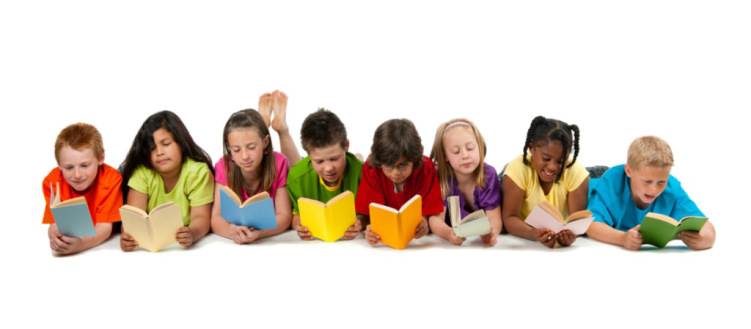
The Benefits of Learning English at a Young Age

For years it has been widely believed that teaching foreign languages to children at early age is advantageous (Zein & Garton, 2019; Pinter, 2017; Griva & Semoglou, 2015; Enever, 2011). However, the most common concern was the stereotypical view that learning a foreign language will lead to language confusion, language development delay or cognitive deficit, as children who start to learn their mother tongue within the school context, would get confused, if they were simultaneously introduced to a foreign language (Lang, 2009).

Nevertheless, the initial worries were progressively eradicated, as research results indicated quite the opposite (Ghasemi & Hashemi, 2011). In particular, it has been recorded that exposing a young  child to a foreign language, allows a learner to develop a great number of cognitive, social-emotional and academic-career benefits, which are of utmost importance for the entire life (Papadopoulos, 2020; Papadopoulos & Savic, 2020).

There are growing appeals for investigating childhood as the golden age for foreign language learning. Most recent evidence proposes that the older is faster, but the young is better (Hu, 2016). Based on the Critical Period Hypothesis, proposed by Lenneberg (1967), language acquisition needs to take place between the age of two and puberty with the establishment of cerebral lateralization of function (Snow & Hoefnagel-Höhle, 1978). Using the term “lateralization”, it is implied that the human’s left hemisphere, which is responsible for the language process, is connected with human’s biological change/development. In other words, there is a critical period by which children can acquire a foreign language naturally and efficiently, but after the age of puberty, learners are less susceptible to input as the brain cannot longer function in the same way (Lenneberg, 1967). 

Although older learners appear to progress faster, young learners surpass the previous ones in the ultimate attainment as they achieve better phonetic/phonological performance and later proficiency in foreign language learning (Singleton, 2003).

Cognitive skills development has been connected to learning a foreign language at a young age (Alexiou, 2009). As a matter of fact, children who study foreign languages, exhibit greater performances in basic skills at school, that is to say, higher academic performance. For instance, they outscore their non-foreign language learning peers when complex problems are undergone, indicating that learning additional language is a cognitive activity not just a linguistic one  (Focus, 2017). Children are depicted as sponges that can mimic new sounds and patterns, and they can absorb new information unconsciously. Some studies have found that children have an innate ability to acquire the rules of any language thanks to the plasticity of the brain and ear (AdminOxford, 2018). The brain is open to new sounds and therefore, the pronunciation of a foreign language can be adopted easily.

Systematic studies highlight also many psychological and cognitive benefits derived from learning a foreign language, which are the development of critical thinking, flexible thinking and the flowering of a creative mind to young children (Barac & Bialystok, 2011).  Needless to mention that they receive second language instruction, which makes them more creative and better at solving difficult tasks than those who do not (Bamford & Mizokawa qtd in Rizki, 2016). Consequently, higher intellectual flexibility can be achieved by early language learners and critical thinking skills can be raised rapidly.

The position of English Learning in Greece

In the last half-century the status of English in the world has changed rapidly as English has been labeled as a global language used in more contexts such as science, trade, education and sports. It acts as a lingua franca, that is, a common language which connects people from different backgrounds and ethnicities. Over the years, there is a massive increase in English speakers around the globe, who use it at different levels of proficiency for various reasons and there are a number of countries, which adopt it as a first language or else mother-tongue, as an official language and as a foreign language. Since English is highly promoted in everyday life, it has been chosen as a first foreign language in Greek education.

According research conducted by Sougari &  Hovhannisyan (2013), it was shown that Greek students have a great desire to learn English for pragmatic reasons and they want to achieve this goal by all means. Their motivation is related to their future career success and getting a proficiency certificate in English. Moreover, key role plays the pressure of society, the influence of parents (Griva & Semoglou, 2015) and the expectations and pressure of the peers. These views are in line with Gardner and Lambert’s (1972) research who claimed that there are integrative and instrumental reasons to learn a second language, referring to the social interaction and communication with members of the target language community and as for instrumental reasons; they refer to professional, social and academic reasons.

In accordance with the European Language Policy, which aims at creating multilingual and plurilingual citizens and the European developments in ELL (early language learning), English should be introduced in Greek schools at early age. The programme which has come to be known through its Greek acronym “PEAP” and it had been developed as part of the funded project entitled “New Foreign Language Education Policy in Schools: English for young learners” suggests that students should be introduced to English at the age of 6-7 (Dendrinos, Zouganeli & Karavas, 2013).

The main purpose is to develop young learners’ social literacies through English in combination with special syllabi and instructional materials based on this holistic approach (Dendrinos, Zouganeli & Karavas, 2013). To be more specific, the curriculum suggests three essential principles:

  •       it aims at increasing students’ social skills which have been acquired in their mother tongue through English .
  •       it treats every child as an individual with different interests, as it takes into consideration the various interests, preferences and learning styles of students.
  •     it intends to develop a pre-A1 level ability to understand and use English in everyday life.

And that’s it: an effective school environment with the appropriate learning materials in which the sooner you start learning English, the better!

References

AdminOxford (2018). The Benefits of Learning a Second Language Early. Retrieved from https://www.oxfordclil.es/the-benefits-of-learning-a-second-language-early/

Alexiou, T. (2009). Young Learners’ Cognitive Skills and Their Role in Foreign Language Vocabulary Learning. In M. Nikolov, Early Learning of Modern Foreign Languages/ Processes and Outcomes (pp. 46-61). Great Britain: Short Run Press Ltd.

Barac, R., & Bialystok, E. (2011). Cognitive development of bilingual children. Language Teaching, 44(1), 36-54. doi:10.1017/S0261444810000339.

Dendrinos, B., Zouganeli, K. & Kossovitsa, C. (2013). The English for Young Learners Programme in Greek Primary School. PEAP. Retrieved from http://rcel.enl.uoa.gr/peap/en/articles/programme.

Enever, J. (2011). ELLiE: Early language learning in Europe. London: British Council.

Focus (2017). The importance of children learning a foreign language. Retrieved from https://www.focus-info.org/includes/documents/2017/f/foc58_education.pdf.

Gardner R.C. (2006).Motivation and Attitudes in Second Language learning.  Encyclopedia of Language & Linguistics (pp.348-355). London: Elsevier.

Papadopoulos, I. (2020) From the pedagogy of translanguaging to the classroom pedagogy. Disigma Publications.

Papadopoulos, I., & Savic, V. (2020). Teaching Young Foreign Language Learners in SE Europe. Thessaloniki: Disigma Publications.

Fairytales in EFL classroom

“If you want your children to be intelligent, read them fairy tales. If you want them to be more intelligent, read them more fairy tales.” ― Albert Einstein

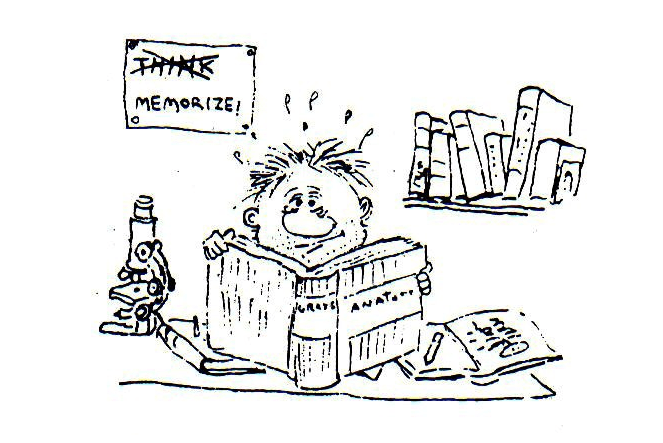
The learning environment of public Greek primary schools relies solely on rote memorization where students are taught English mostly three hours per week in a decontextualized way. In most lessons the major objective is to enhance language through spending countless nights memorizing material and learning as many new words as possible. The teacher plays the role of a transmitter of knowledge and students are undoubtedly dependent on him/her. Although the school curriculum aims at elaborating students’ cognitive, emotional and social skills, the texts seem to be boring and unappealing to students as they do not take into consideration their interests, their age and their cultural background. In addition, students are exposed to a limited variety of different texts which make them be unfamiliar with the different types of written work. As Grant (1989, 22) well said, “Using texts of different types develops a variety of reading styles.” Extra authentic materials, such as fairytales, songs, games, puzzles should be added in the course since they provide rich experience of real language use and challenge students to express themselves and engage actively (Chostelidou & Griva, 2017).

The extension and adaptation of new authentic material is necessary for an effective teaching-learning process which will meet the needs of students and will correspond to their learning styles and strengths. Fairytales are a valuable tool for teaching young learners because they increase students’ motivation by making reading interesting; Texts should be at the right level of difficulty and authentic (Cameron, 2001).

Reasons why fairytales should be included in EFL classrooms:

  • They offer children both linguistic and cognitive benefits in a safe and relaxing environment (Shin, 2006), which lowers the young learners’ stress and anxiety thus, leading to more successful language acquisition (Mixon & Temu, 2006 qtd in Griva & Chostelidou, 2013)
  • They make students see learning from another perspective- as entertainment and not a chore (Ellis & Brewster, 1991). In this way, students’ creative imagination is stimulated so that they want to use the language to share their ideas (Halliwell, 1992:7). Students are still young who love learning language as they read or play.
  • They provide a study of universal values, capture students’ interest and challenge them to explore new roads of meaning (Cameron, 2001) because they portray real moral lessons, moral truths which remain in the hearts and minds of the learners and make them capable of dealing with battles and problems of life. Learners can identify themselves with the characters of the story  and develop critical thinking.
  • They can be assumed as a great model for learners in writing since they offer a clearly-set frame, specific structure, plot and terminology and a familiar setting. Most of them use the same form “Once upon a time” or have a happy ending and only one grammatical structure is used, that is the simple past tense or the present tense. Hence, students are familiar with fairytales and their language because they have background knowledge about the plot, characters, structures (Favat, 1977) and in this way, they feel less nervous and more secure to freely express themselves and write down their thoughts (Yavuz &  Celik, 2017). 

Stages of teaching fairytales:

Pre-stage

  • The teacher uses questions to prompt students’ conceptions: Do you like fairytales? What kind of fairytales do you know? Do you know how fairytales begin? (Once upon a time etc.) Who are the main characters in fairytale? (Princess, king, frogs).
  • Then they read the title of the fairytale and predict words that they might think be in the story and explain them.
  • They can even have a look at the pictures and describe them both in L1 and L2 interchangeably. Let your students freely express themselves.

While stage

  • Students are divided into groups and each group listens to a different part of the story related to the same topic. Then they exchange information and draw a picture.
  • The teacher can give students a worksheet with T/F exercises or some new words of the text and ask them to make sentences and read them out aloud.
  • The teacher may provide some words of the text and ask students to retell the story and in this way students can organize their thoughts better.
  • They can talk about topics connected to values mentioned in the fairytale (hero, heroism)
  • They can do creative exercises practicing the Past Simple and the Present Simple.

Post stage

  • Dramatization of the story
  • Composition of a song/ poem with the main themes/words of the fairytale
  • Paper Crafts

Believe in magic! Believe in fairytales!

References

Cameron, L. (2001). Teaching languages to young learners. Cambridge: Cambridge University Press.

Favat, F. A. (1977). Child and tale: The origins of interest. US: NCTE Committee on Research Report No. 19.

Grant, N. 1989. Making the most of your textbook. 3rd edition. London: Longman.

Griva, E. & Chostelidou, D. (2013). Estimating the feasibility of a multisensory bilingual project in primary education. Procedia – Social and Behavioral Sciences 116 (2014),1333-1337.

 Griva, E. & Chostelidou, D. (2017). CLIL in Primary Education: Promoting Multicultural Citizenship Awareness in the Foreign Language Classroom. Research Papers in Language Teaching and Learning. Retrieved January 4, 2019, from http://rpltl.eap.gr/images/2017/08-02-009-Griva-Chostelidou.pdf

Halliwell, S. (1992). Teaching English in the primary classroom. London: Longman.

Shin, S. J. (2006). High-stakes testing and heritage language maintenance. In  Kondo-Brown, K. (Ed.), Heritage language development: Focus on east Asian immigrants (pp. 127-144). Amsterdam/Philadelphia: John Benjamins.

Yavuz,  F.  &  Celik,  G.Y.  (2017).  Using  fairy  tales  as  a  model  to  enhance  learners’  writing  organization  skill. International Journal of Learning and Teaching. 9(3), 349-353.

Dyslexia in the classroom

While most people in the past were horrified at the thought that their child had developed a mental disease because they noticed symptoms like slow reading, trouble spelling or messing up words in their children’s literacy behavior, nowadays parents know better than shunning or regarding their children as if they are mentally retarded: Dyslexia, which is not an incurable disease but a specific learning disability which once being diagnosed can be confronted, is a lifelong condition that makes it difficult for children to read.

What is dyslexia?

Although it is difficult to provide an accurate definition of the term “Dyslexia” as it is a very versatile and controversial term subjected to change at the course of time (Amesbury, 2006-7), according to the International Dyslexia Association (IDA), dyslexia is a specific learning disability that is neurobiological in origin and is characterized by trouble with word recognition, spelling and writing words (Troeva, 2016). These troubles are associated with a deficit in the phonological competent of language without affecting cognitive abilities (Troeva, 2016). There may be difficulties in reading comprehension, as well as vocabulary and background knowledge being slowly progressed (Troeva, 2016). So dyslexia affects spoken and written language and it is a lifelong disorder which can be treated but it never completely disappears as it is not “outgrown” (Tsigka, 2018).

What happens in the brain of children with dyslexia?

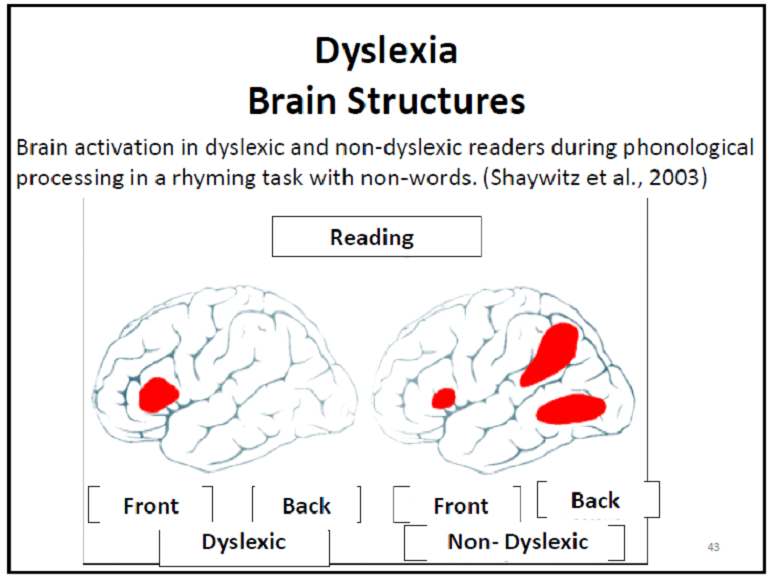
Dyslexic brains work harder, up to 5 times more than the brain of other children when they have to carry out the same linguistic test. Regardless of their normal IQ, dyslexics have difficulty in understanding that one word consists of smaller units. This is why, most dyslexics have difficulties in reading. As shown in the picture, there is natural difference in the brain structure by birth and thus, language is perceived differently by dyslexics in contrast to non-dyslexics.

What are the signs of dyslexia?

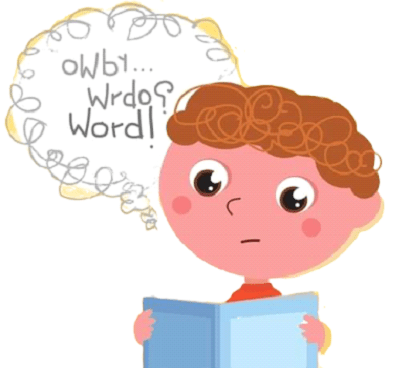
  • Errors in reversals (b/d, p/q), transpositions (was/saw, scared/sacred), inversions (m/w, u/n), and omissions (place instead of palace).
  • Poor spelling skills, lack of recognition of patterns of words (like, mile).
  • Difficulty in learning basic sight words (the, who, what, laugh).
  • Slow reading which can affect comprehension of material.
  • Pronounce a word many different ways within the same text.
  • Difficulty in recalling words for both oral and written expression.
  • Low self – esteem.

What are the symptoms of dyslexia?

Some symptoms in preschoolers

  • Delayed speech.
  • Problems with pronunciation.
  • Difficulty in writing their names, learning colors and numbers.
  • Struggle with learning rhymes, prefixes or suffixes.

Some symptoms in primary school children

  • Confusing letters when writing such as ‘b’ and ‘d’.
  • Write words backwards, such as “nip” instead of “pin”.

Some symptoms in high school children

  • Poor reading and spelling.
  • Difficulty in writing summaries.

How is dyslexia treated in classroom?

  • Ehri offers a four-phase model of reading development
    • Beginners start learning the names and sounds of the letters in the alphabetic system.
    • start forming full connections between graphemes and phonemes.
    • decode unfamiliar words and retain spelling of words they have already seen several times in their memory.
    • retain sight words in their memory and that makes the acquisition of new words easier.
  • Time
    • Children with dyslexia need time for task completion. Language abilities are necessary in order to understand the meanings of words, their semantic, syntactic processes and to integrate all this information into texts.
  • Grouping
    • Effective teachers create academic groups with different potentials, different academic backgrounds and not “fixed ability groups”.
  • Multisensory techniques
    • It is highly recommended for children with dyslexia as it involves four sensory modalities –oral, visual, auditory and kinesthetic-tactile and it enhances memory, weak modalities, enforces strong one and creates automaticity.

Do pupils with dyslexia follow the same process of learning when reading?

This depends on the child. Some children with dyslexia develop reading skills following the same stages as other children.

Whenever I am thinking of dyslexia, two things are coming to my mind:

“Tell me and I forget. Teach me and I remember. Involve me and I learn.”

– Benjamin Franklin

Dyslectic children are perfectly capable of succeeding in school and achieve a high performance score. You may have your doubts, but keep that: the key to success is proper guidance.

And

“Einstein”

He is definitely one of the brightest dyslectic persons who conquered the scientific world.

References

Amesbury, L. (2006/2007). Dyslexia: a holistic review of the strengths and difficulties. [online] Available : https://core.ac.uk/download/pdf/1931979.pdf.

Freereading.net. (n.d.). Ehri’s Four Phases of Word Reading – FreeReading. [online] Available at: http://www.freereading.net/wiki/Ehri’s_Four_Phases_of_Word_Reading.html

Graham, S., Karen R. H. & Larsen L. (n.d.). Prevention and Intervention of Writing Difficulties for Students with Learning Disabilities. All about learning disabilities and ADHD. Available at: http://www.ldonline.org/article/6213/.

GreatSchools Staff. (2013). Structural brain differences in kids with dyslexia. [online] Available at: https://www.greatschools.org/gk/articles/structural-brain-differences-in-kids-with-dyslexia/.

Hudson, R. F., High, L. & Al Otaiba, S. (n.d.). Dyslexia and the Brain: What Does Current Research Tell Us?.All about learning disabilities and ADHD. Available at: http://www.ldonline.org/article/14907/.

Troeva, B. (2016). The Process of Reading and the Teaching of Reading Skills to pupils with dyslexia. Pedagogy Critical Approaches to Teaching Literature Language Composition and culture 88 (3) [online]. Available at https://www.researchgate.net/publication/301487593_The_Process_of_Reading_and_the_Teaching_of_Reading_Skills_to_Pupils_with_Dyslexia

Tsigka, S. (2018). Learning Disorders…or Disabilities…or Differences PowerPoint slides. Unpublished manuscript, LIN 327, European University of Cyprus

Five fun activities for Present Simple and Present Continuous

If you are reading this post now, you probably read my mind. You probably are one of the teachers that feel satisfied at the end of the delivery course. And why shouldn’t you be? You have taught all the norms of Present Simple and Present Continuous. You have given and explained all the examples to compare these two tenses. You rock! Your smile on your face tells me a lot. It’s like you have conquered the world.

But then it comes the crucial moment that you make the well-known, the very specific question “Well, guys. Let’s recapitulate. What have we learned today?.” Suddenly they stop looking at you. They’re in search of something. You notice them. They open their pencil cases, their bags or look at the floor. What are they looking for??? Some of them are puzzled, lost in thoughts. They’re with eyes open in amazement/worry. You’re waiting patiently for an answer. Poor you. They will not tell you a thing and you start realizing that.

The next lesson comes. Plan B works. You’re fully prepared for that. And do you know why? Because you have decided to enhance their English alternatively.

First, let’s have a look at the differences between Present Simple and Present Continuous.

Present Simple

  • Daily routines or habits
  • I play basketball on Saturdays.

  • General truths
  • It rains a lot in autumn.

  • Permanent situations
  • I live in Greece.

  • Timetables/schedules
  • The show starts at 3:00

Present Continuous

  • Action in progress
  • I am playing basketball now.

  • Action happening right now
  • It is raining right now

  • Temporary situations
  • I am living in Italy at the moment.

  • Future arrangements
  • I am meeting you at the show.

Stative verbs

They are verbs that express a state rather than an action. They relate to feelings (love, like, hate, prefer, want), senses (see, hear, smell, taste, seem), thoughts (know, believe, understand, remember, forget) etc. These verbs are used with Present Simple even though the action takes place now/ at the moment. However, there are some verbs which look like stative verbs, they can be used in Present Continuous and they differ to the meaning. They’re called dynamic. For instance,

  • think -> have an opinion
  • see -> see with your eyes/understand
  • have -> own
  • taste -> has a certain taste
  • smell ->has a certain smell
  • be -> be
  • be thinking -> consider
  • be seeing -> visit
  • be having -> part of an expression
  • be tasting -> the action of tasting
  • be smelling -> the action of smelling
  • be being -> behave

As for the fourth rules, Greek students are often getting confused because both of them refer to programs. However, Present Simple refers to a neutral program “The film/the show/it starts at 3:00” whereas Present Continuous refers to a personal program. The example of the Simpsons will be definitely etched on students’ minds. https://getyarn.io/yarn-clip/60fdb4f7-4c36-4655-ae99-64f9c8c16896

Activities for Present Simple/ Present Continuous

Click on word make a sentence!

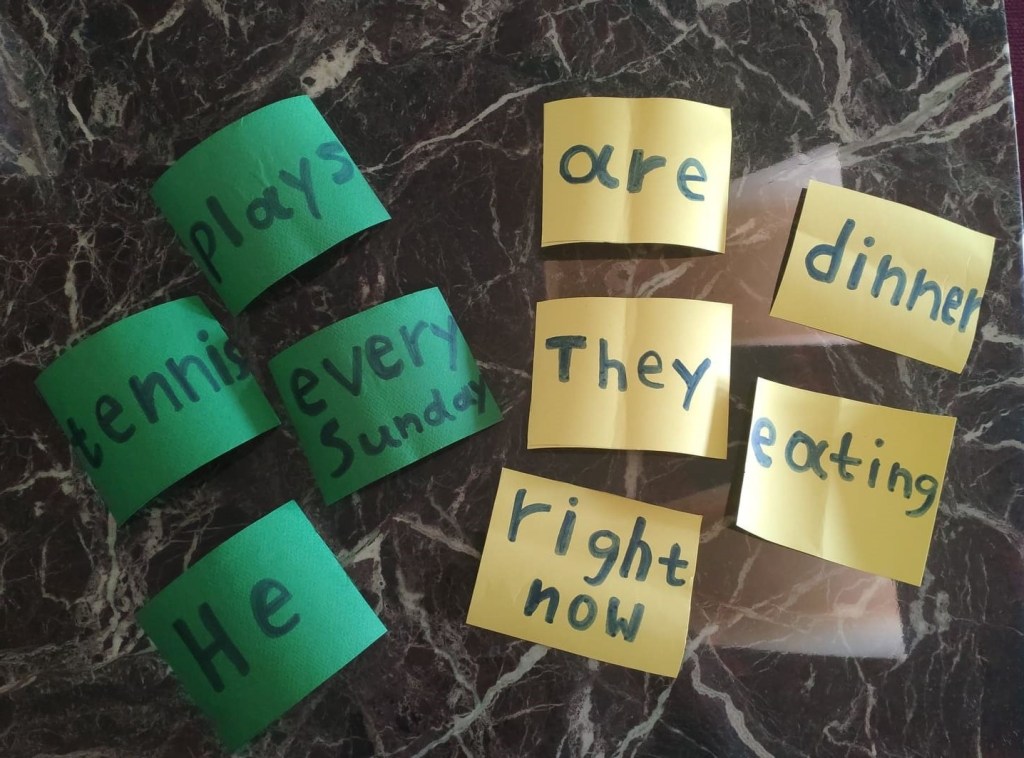
Divide students into groups and give them different words. Students should create sentences by putting the words in the right order. Use an hourglass to create suspense and check their scores and speed.

Lucky bag!

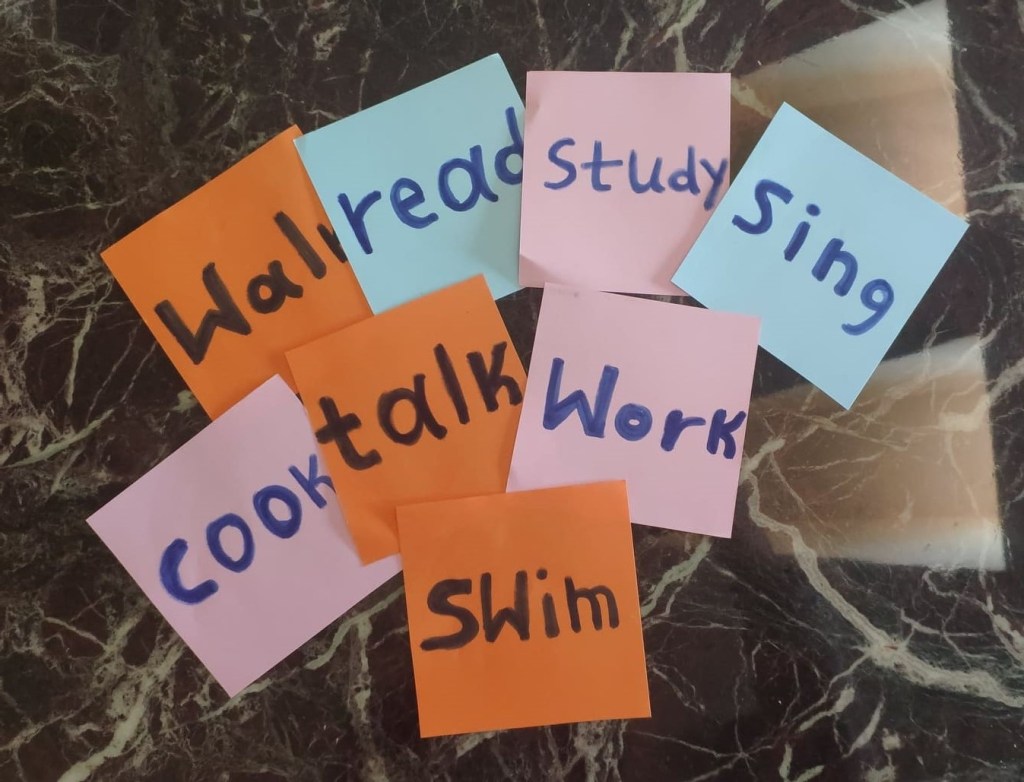
Every student pulls a word from the lucky bag and tries to make his own sentence by using Present Simple and Present Continuous.

⦁ Partly Cloudy- Describe the video

In a story, Present Continuous is used for the background information and Present Simple for the action. https://www.youtube.com/watch?v=7DmLkugdh9s

First watch the entire movie “Partly Cloudy” with the students and then, watch it with pauses and simultaneously comment on it. Ask students to describe it on their own. Give key words: birds, baby cats, baby dogs, baby crocodile, cloud, cry, afraid, happy, angry

⦁ Sing with me “All of me” – John Legend

Ask students to complete the lyrics with the words missing.

How many times ____________ to tell you.

Even when you ___________ you’re beautiful too.

The world __________________ you down.
I’m around through every mood
You’re my downfall, you’re my muse
My worst distraction, my rhythm and blues
……..

Sing with me once again, it’s for Elias “Thinking of you”.

Identify the stative verbs and dynamic verbs and talk about their differences .

When I, when I’m thinking of trouble
God knows I’m thinking of you
When I’m falling down
When I go out of my mind
God knows I’m thinking of you

After all this time
I still feel the pain
When you left me all alone
To take the blame
Did you run out of love?
Or just run out love?
Still got a heart-shaped bruise
That’s how I remember you

Present Simple vs Present Continuous

Easy- Peasy

10 Best Easter Activities

Undoubtedly these are challenging and unusual times for each and every person as all of us have been affected by the COVID-19 outbreaks throughout the world. In these difficult times we can rise to the challenge by staying at home and being united as we have done with every other global crisis in the past. Now, more than ever, is the time for us to be more patient, more resilient and stronger so that soon we will join together the same trips, cafes or restaurants. Since it is Easter holidays, we are safely staying at home by creating small moments of happiness in our everyday life. Enjoy the smell of coffee or the warm shower in the evenings, work online and most importantly, spend time with your kids.  

I am putting my teacher hat back on today so that I can propose you Easter activities with your students if you are having online lessons or activities for your children at home.

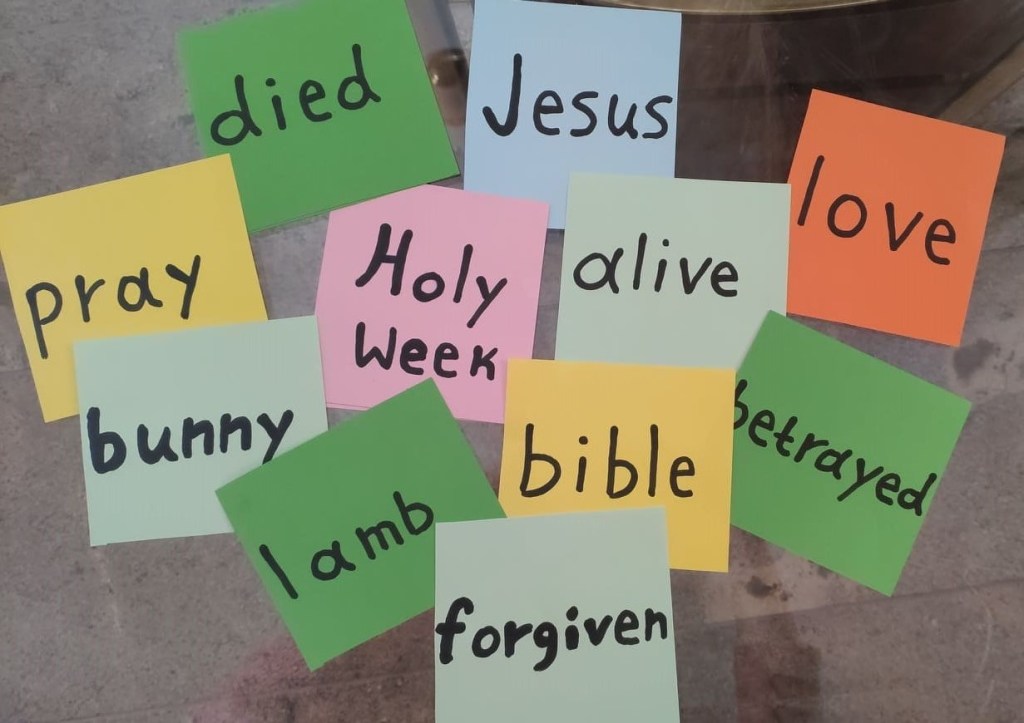
1. Use colorful flashcards

Show, pronounce and translate each word. Encourage children to repeat with you. When the students get knowledge of the entire vocabulary, challenge them by flipping cards at a faster pace. Translation is not necessary any more.

Suggested vocabulary: alive, believe, betrayed, Jesus, died, donkey, love, forgiven, Gethsemane, hosanna, sacrifice, thorns, wash, pray, rooster, bunny, lamb, basket, lily, daffodil.  

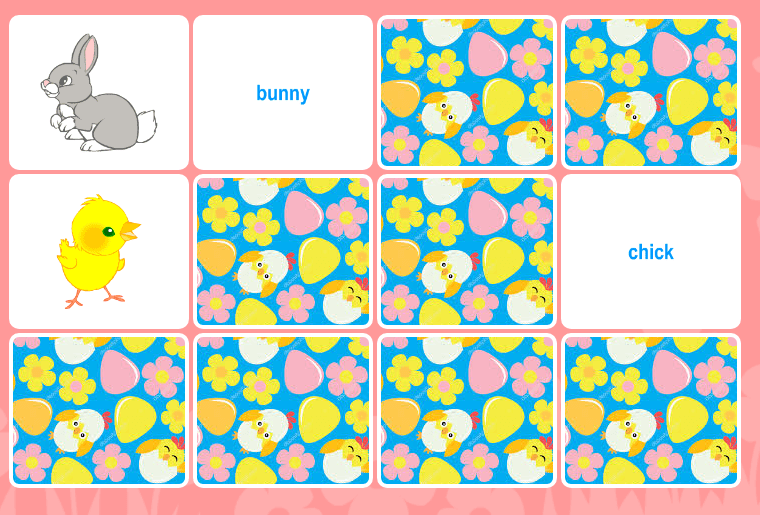
2. Easter match

There are twelve cards in this game. Six of the cards have pictures and the other six have words. Match the word to the picture until you have six pairs. If students play in groups, the students with the most cards in each group win the round.

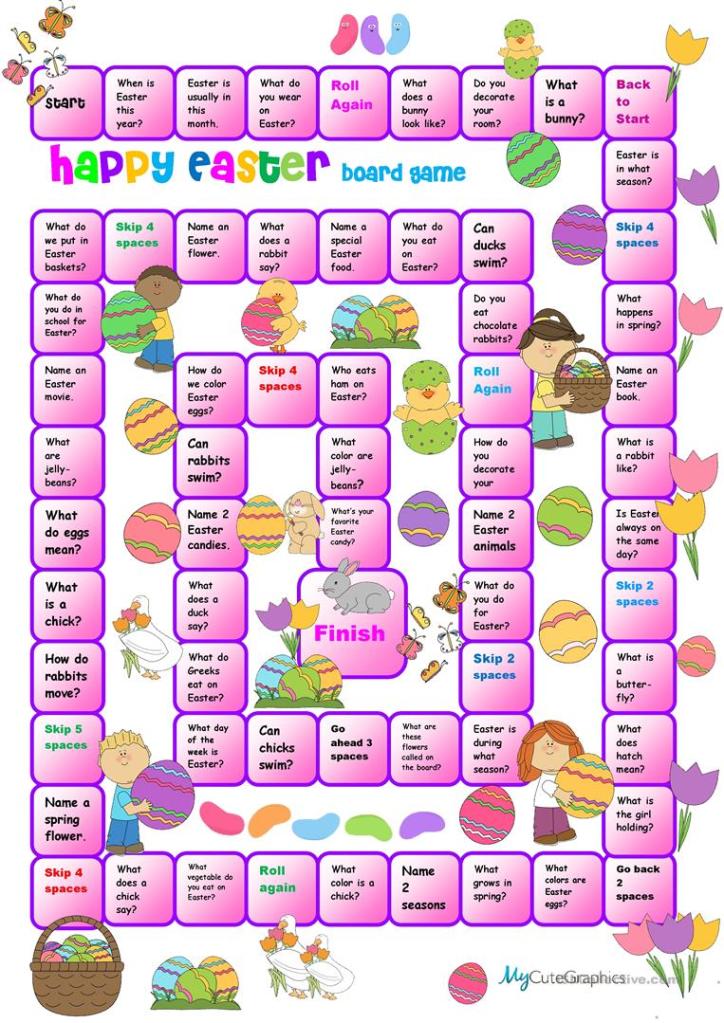
3. Easter board game

That is an easy game that English beginners will love. Test children’s knowledge concerning the theme of Easter and spring.

4. Easter fairytales and videos

  • The story of Easter (The Triumphal Entry)
  • The story of Easter (Jesus sacrifice)
  • Peter walks on water
  • How to track an Easter Bunny
  • History of Easter eggs for kids- Animation

5. Seek and hunt the gold eggs

 Easter egg hunt is a traditional game during Easter holidays. It can take place either at home or outdoors.  Use plastic eggs or create gold paper craft eggs. Put numbers from 1 to 15 on them and hide some of them in obvious locations and others in more challenging places. When the hunter finds an egg, he/she must not remove it. He/she must remember the location of the egg and write it down. There will be a special stand where the hunter can write where he/she found it. For example, number 8 is under the bin, number 10 is next to the red flowerpot. The hunter who will find all the eggs faster than the other and will describe the right position is the winner. You can give them a reward. In this way, this tradional game becomes more educational. Otherwise the winner can be the hunter who will collect most eggs without writing their positions. Children will definitely love it.

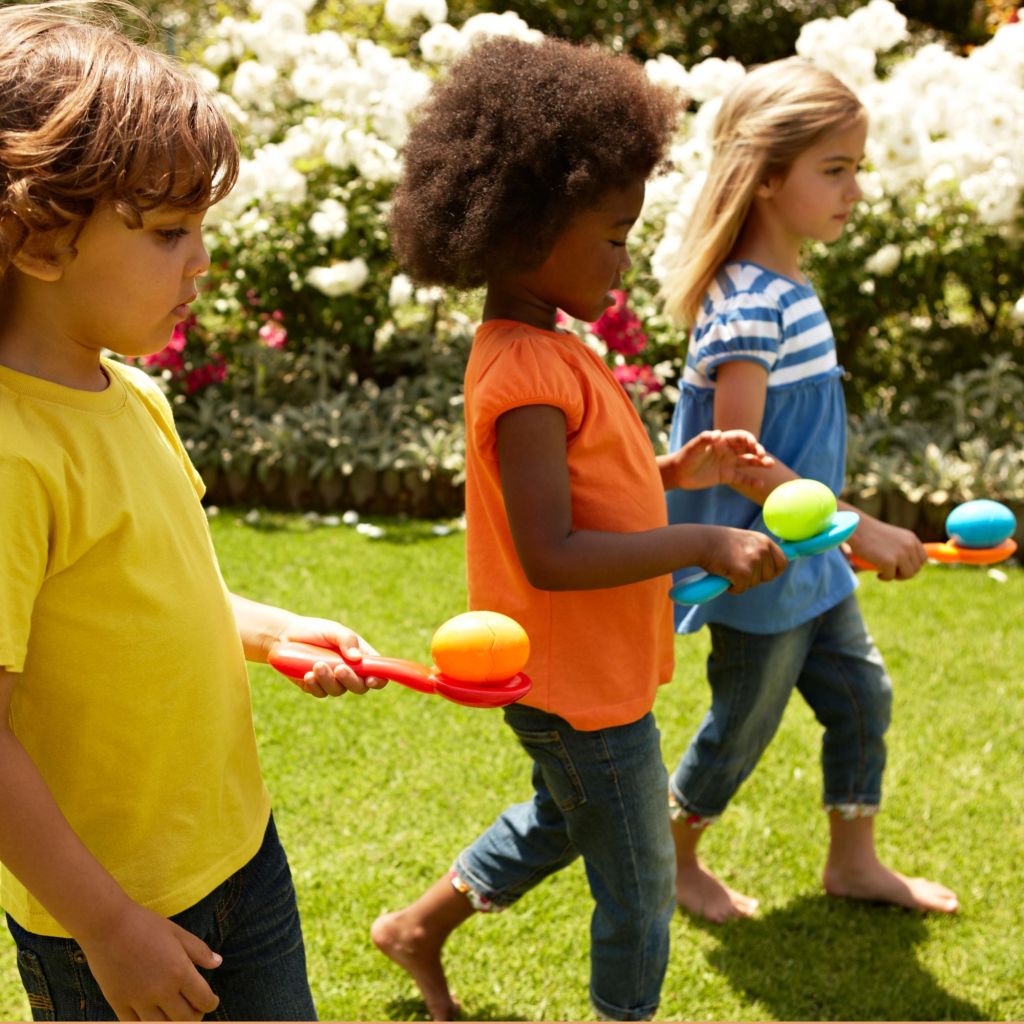
6. Ready? Steady? Gooo egg racing

Dear teachers and mothers,

think positive.  If the egg is real, make it a salad.

7. Let them sing, let them dance

  • Boom Chicka Boom
  • Wake Up! School Assembly Song and Dance from Songs For EVERY Assembly by Out of the Ark Music

8. Be a poet

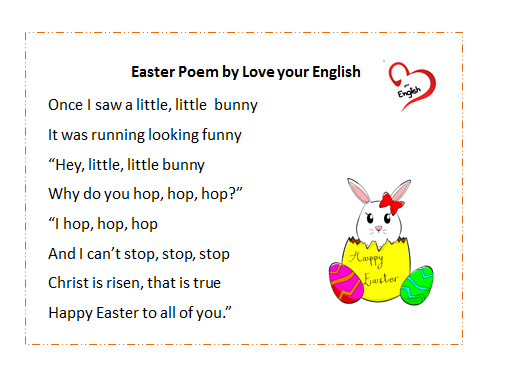
That is true. You can also be a poet. Like me, like real poets. The following poem is MY poem and I am kinda proud of it. It is an attempt to motivate not only the students but also you and only you. 

Feel free to express yourself. Imagine, laugh and write. You can use some key words so that you can intrigue your imagination.

9.Be creative and let it blossom

It is Easter. It is spring. Why don’t you plan your own flower? Choose one and take care of it.

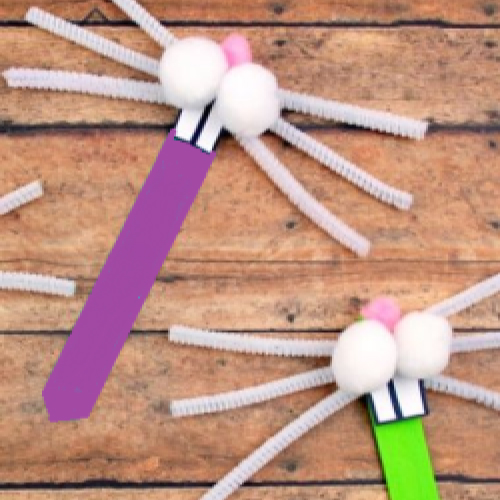
10. Paper crafts

Go ahead with a multicultural concept in class

“I am a Muslim, and a Hindu, and a Christian, and a Jew- and so are all of you.

How could these words slip my mind? How could I skip the non-violent mass action that Gandhi followed to achieve independence for India? Gandhi was a great leader, an Independence fighter, a social activist who tried with peaceful means to resist imperialistic rule. He saw through the racially discriminatory laws against colored people, the various acts of superiority and religious prejudice against the Indians and fought till the end for creating an equal society, staying true to his beliefs.

Gandhi’s leadership and example has inspired me, and probably many of us, to a higher level of morality. His words are still engraved in my memory and his message of freedom, democracy, equality and opportunity echoes in my head. He has taught me that before I judge someone or do something, I should walk a mile in their shoes and try to see the world through their eyes.

Undoubtedly, the world is changing. Waves of immigrants and refugees are coming to Greece and they change school reality too. However, it does not mean that they change it negatively.  There were several times I found myself in front of racial school scenes.

“Why don’t you go back to where you come from?”

“Your clothes are shabby.”

“Don’t you like chocolate because it is the same color as you?”

“Slopehead”, “wog”, “chink”

I get depressed because of racial mismatch in the classroom. Where are all the ideals that Gandhi fought for? Why do students reproduce negative attitudes and discrimination? Well, I can guess some factors.  Children may have grown up in families who are in favor of racist views or have witnessed violence against others causing post-traumatic stress. Middle-aged and older people may think a threat other nations due to historical reasons, for example Greek people towards Albanians. This is because the mini-crisis of 1990s which made headlines in Greek media (SE Europe Programme, 2013). They may have negative feelings towards Bulgarians due to the Macedonian Struggle of 1906 which led to the expulsion of Greek population from Bulgaria.

Friends can also have a great influence on other peers. Adolescents make fun of the physical appearance of people from different groups, for instance, they tease them about their hair and skin tone, and laugh at a racist joke. They consider themselves as “cosmopolitan” and superior nations than the others. They probably consider that this is an acceptable normal behavior but it is definitely not.

Even school is sometimes responsible for the reproduction of racist behavior. Teachers may have low expectations from lower socioeconomic-status and non-white students and they praise the academic ability of middle-class students (Carter, 2003). Difference becomes a disadvantage when students from other ethnic groups are unable to complete an exercise because it is not in their mother tongue and they do not get it. Teachers may become frustrated and reprimand them and falsely think that the cause of the problem is their low background. Needless to mention that there are white teachers who are prejudiced against black students and consequently, they give them lower ratings than white students (Downey and Pribesh, 2004).

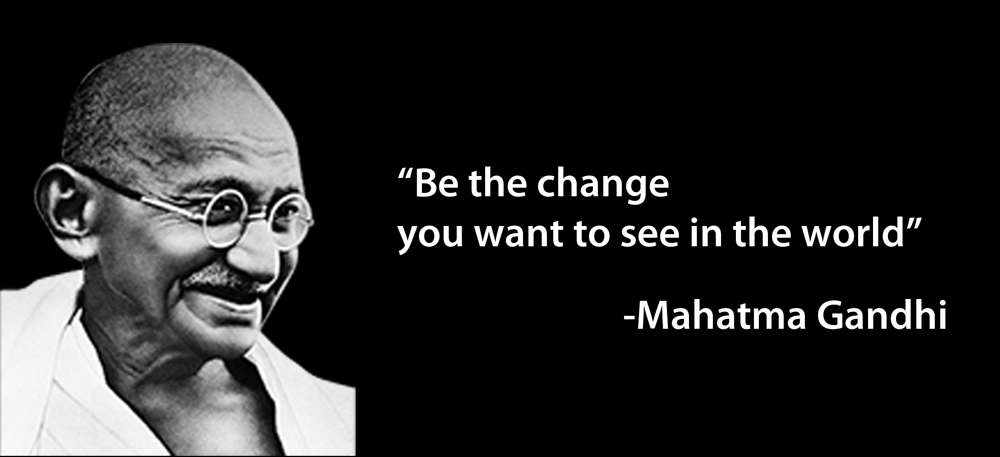
We are living in the 21st century. Racism can be simply a thing of the past. We can follow Gandhi’s lead.

Since I believe that every change starts from education, I am here to motivate all teachers from all over the world to teach students the high ideals of democracy and create an equal classroom and consequently, an equal society.

We should celebrate and learn from our differences.

We should embrace diversity.

How can we do that?

  • Be armed with the knowledge that prevents any manifestations of racism at school and be ready to face such reactions effectively.
  • Most activities should be solved by mixed ability groups of pupils in class in which different roles are undertaken by the team members according to their learning styles and strengths and each student shares his/her knowledge to the benefit of the learning community. So superficial barriers can break down through the communication between group members in spite of religion, race or age.
  • Foster students’ confidence and self-esteem. They can sign a contract with a set of rules which they themselves have enacted concerning their behavior in class and their duties in their team. So they will feel their voice will be listened to and no one will make fun of them.      
  • Approach school texts critically as many of them remain monocultural or present males as the dominant group and replace them with both sides of the coin. Talk about India, Africa and how they have contributed to world civilization.
  • Increase students’ understanding of cultural diversity through a problematic scenario like “You are in danger and you must flee. Your time is limited. Take three things that you consider important in your bag and leave having in mind that you are unable to return to your mother country again. Present your work and talk about your feelings in class.”
  • Identify and present a list of cultural minorities in your local community. Research the reason they are refugees or immigrants in Greece and examine the ways such groups experience discrimination. Present your work in a poster. If it is possible, they can give you an exclusive interview.

Shift the existing social norms which create negative attitudes.

Shift your point of view towards difference.

Raise your voice, raise your heart and “love thy neighbor as thyself” (Gandhi, 1982).

You are not alone on this trip.

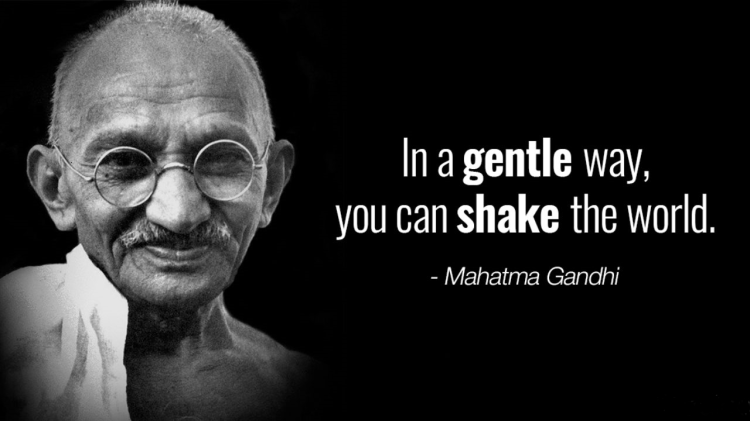
As Gandhi well said:

REFERENCES

Armakolas, I. (2013). The Greek Opinion towards Albania and the Albanians. South- East Europe Programme. Retrieved from http://www.eliamep.gr/wp-content/uploads/2013/12/The-Greek-public-opinon-towards-Albania-Final-report-Dec-2013.pdf.

Attenborough, R. (1982). Gandhi(1982). United Kingdom/ India.

Carter, P. (2003). Black’ Cultural Capital, Status Positioning, and Schooling Conflicts for Low-income African American Youth. Social Problems 50:136-55.

Downey, D. and Pribesh, S. (2004). When Race Matters: Teachers’ Evaluations of Students’ Classroom Behaviors. Sociology of Education 77: 267-82

CLIL – DOES IT CLICK ON YOU?

Do you raise your eyebrow higher than the other, scratch your forehead up and put your hand over your lips wondering what CLIL is?

Well, calm yourself down. I’m here to shed light on every worry you have about CLIL.

First of all, CLIL stands for Content and Language Integrated Learning.

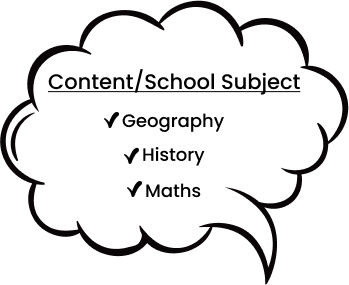
To put it simply, it is an innovative educational approach in which subjects like History, Geography, Science are taught by using a language other than the mother tongue. It could be a foreign language, a second language, a minority or a second official language (Coyle, 2007).

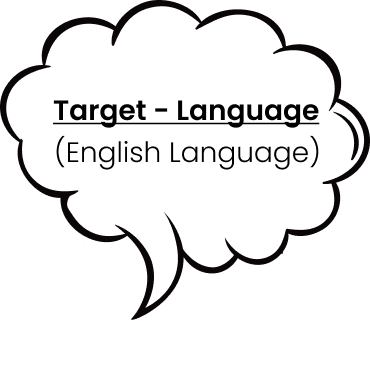
In this way, both the content of the subject and the target language are taught within authentic communication.

For example, we can have different content areas such as environment, culture, mobile phones, cosmetics apart from school subjects which are taught in the target language, that is English and simultaneously, students can interact with each other (Linares & Whitaker, 2007; Mehisto and Asser, 2008)

How many CLIL models are there?

  • CLIL language showers: Short intervals/20-30 minutes 2 or 3 times a week. Students are engaged in the weekly theme like fruit, seasons etc.
  • Modular CLIL: 1-2 hours a week. Teachers choose modules of a particular course which they teach in the target language.
  • Interdisciplinary CLIL: 50% of specific school subjects (Maths, History) are taught in the target language.

To my mind, modular CLIL is more relevant to Greek education. Think about it. We are inspiring teachers, full of energy and love of what we are doing and ready to transfer knowledge to every young person there. However, there are some obstacles that make our teaching process difficult. There is lack of material and time and it’s hard to prepare a great amount of new educational material to cover half an hour of the lesson in the target language every day. So Modular CLIL is the key. Teachers can prepare lessons only for 1-2 hours per week by teaching English and Science for example, at the same time and believe me; it will not be hard for the students too. They will long for your lessons being always well prepared.

What kind of teaching methods can be used?

Game-based activities

Students are getting fascinated at the idea of playing and learning together (Griva & Semoglou, 2015). I can ensure you that games decrease their sentimental filter and anxiety, enrich learning experience, give them the opportunity to practice reading and listening skills and of course, they can develop multicultural learning in authentic contexts.

For instance, students can enrich their knowledge of history, traditions of some countries in the target language and then, they can match some facts written on a piece of paper with the corresponding country on a map or match flags to their countries.

Story-based activities

Stories enhance students’ imagination and creativity especially, by using folk stories students get in touch with the cultural world of various countries, their customs and tradition (Papadopoulos & Theologou, 2017).

To illustrate this point, students read a folk story and then, they can write some words, facts of the story and retell it. They can also draw some scenes or give a performance/ role playing in the target language.

Digital/ ICT activities

They definitely create highly motivated learners as they meet the affective needs of learners, accommodate different learning styles and facilitate the development of task-based and problem solving competences (Papadopoulos & Griva, 2014).

What about the forms of assessment?

Students’ Portfolios

Have you ever felt desperate at the sight of many sheets of paper scattered in seeming disarray? Well, I hope you can keep secrets. It was a Sunday morning when I found myself being in an all-consuming state of panic. There were so many sheets of paper, assignments and other materials on my desk that I was going to scream for help.

Assignments vs me.

Me vs assignments.

My inner voice was telling me not to quit. Then, I came across students’ portfolios. What a relief.

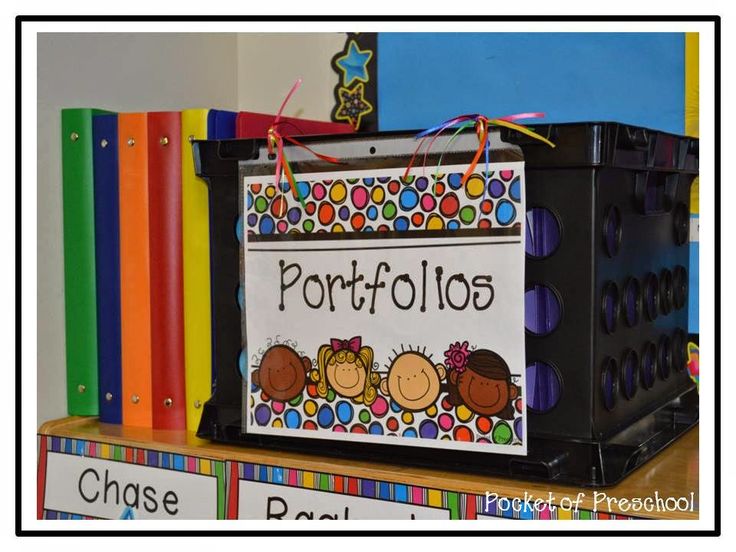
Students’ portfolios is a compilation of academic work that help teachers assemble and evaluate coursework quality and academic achievement (Griva & Kofou, 2018). Students can continually collect their work (essays, arts, journal entries) in an attempt to record their language development and learning, their progress and improvement. So they can become highly engaged in their own learning process through reflection.

Pre-/Post-Tests

A pre-test is distributed to all students to trace the students’ proficient level and the content-knowledge level.

The same test (post-test) is given to the students after the completion of the intervention.

The last one can provide teachers information about the effectiveness of the intervention.

Interviews

Last but not least, teachers can create structured interviews where the students have a prepared set of questions which they answer. In this way, they can develop critical reviewing skills to evaluate their own performance and develop meta-cognitive skills which are important in life.

It’s no secret that the world is changing. There are changes in technology, communication, global markets and political and social life. In the face of this fundamental change, students need to be creative thinkers and problem-solvers.

Teach passionately in ways that reach students.

Make the magic happen.

Students can be the change.

CLIL can raise wind of change.

REFERENCES

Coyle, D. (2007). Content and Language Integrated Learning: Towards a Connected Research Agenda for CLIL pedagogies. The International Journal of Bilingual Education and Bilingualism, 10 (5), 543-562.

Griva, E., & Kofou, I. (2018). Alternative assessment in Language Learning: Challenges and Practices. Kyriakidis Editions.

Griva, E. & Semoglou, K. (2015). Foreign Language and Games: Implementing Physical activities of creativity at early years (In Greek). Thessaloniki: Kyriakidis Editions.

Linares, A. & Whitaker, R. (2007). Talking and writing in a Foreign Language in CLIL contexts: a linguisic analysis of secondary school learners of geography and history. Revista espanola de linguistica aplicada, Monographic 1, 83-91.

Mehisto, P. & Asser, H. (2007). Stakeholder perspectives: CLIL programme management in Estonia. Journal of Bilingual Education and Bilingualism, 10(5), 683-701.

Papadopoulos Is & Griva, E. (2014). «Learning in traces of Greek culture». A CLIL Project for raising cultural awareness and developing L2 skills, International Journal of Learning, Teaching and Educational Research, Vol. 8, No.1, pp. 76-92

Papadopoulos, I. & Theologou, E. (2017). «Living together in a culturally diverse world»: designing and implementing a CLIL project in primary education in Griva, E. & Zorbas, V. (Eds.) Multicultural and Citizenship Awareness through language: cross thematic practices in language pedagogy. Nova Science Publishers, New York.

Replacing classroom boredom with teaching wisdom

Still remember the days I was sitting at the round table in class, having an English lesson. I was trying to pay so much attention to what my teacher was teaching, trying to keep my eyes open and bobbing my head up and down, pretending I understood every nuance of the facts and grammar. But it was hard. Really hard.

“I have no idea what is going on” I thought, as I stopped nodding for a moment, squinted my eyes and then I nodded again. It was the only way to falsely indicate genuine interest and understanding.

See, I was considered to be a great student and great students had to be silent at a round table along with other puppets who were struggling to hang on teacher’s every word. That was called “Collaborative learning” or, at least, it seemed that way.

I have to admit that. I was feeling victim to the epidemic of classroom boredom.
My classmates were bored, too. I could tell that! How come the teacher couldn’t?

They were fiddling with their pencils, scribbling notes to their fellow students, looking for distraction or they would be a distraction to others.

They were wondering..

“What time is it?”

“When does the bell ring?”

“Can I go to pee?”

I was also in their shoes since I desperately wanted to ask the same questions, but «great students» don’t do that.

I am not even sure why I was bored. Was it the teaching material that was monotonous, repetitious or the teacher himself with his obsolete teaching strategies?

The only thing I can assure you of was the thought that I was dreaming to become an inspiring teacher who would passionately teach in ways that would motivate students. I was dreaming to empower students with voice and choice so that they could be engaged in whatever they were learning. I was dreaming to change the world.

My best friend, Vasia, suggested I should become a politician but I chose the teacher’s job. If you want to change the world, start from education. Help children speak for themselves freely, logically, independently and they will be able to become useful members of society, make the world go round.

As Nelson Mandela well said “Education is the most powerful weapon which you can use to change the world” (Mandela, 1990). To change the world means changing the way of your thinking, your habits and actions. Be equipped to make decisions based on a thorough knowledge base. Be equipped to lead your life appropriately without social discrimination, take for example, racism, or violence. Be emotionally well-developed so that you can lead your life no matter what path you follow.

As a teacher myself, I felt like a drop in the ocean. It’s so difficult to change the structures that have been sturdy for so long. However, it’s not impossible.

I’m not here to tell how to teach. I’m certain that you are a special architect of your job, you are an artist. You know your subject and your students better than anyone else so that you can turn them into designers and problem-solvers that can have a massive impact on the world. But as you know, makers need tools. That’s why, I’m here! To share my ideas on how students can be better engaged in the learning process, how they can gain knowledge and skills that will help them lead to their passion or how they will get rid of the feeling of boredom during class lessons.

Let me give you 5 ways to overcome school boredom

  • A key way to fuel students’ motivation is to let them collaborate. Leave traditional teaching methods behind by which teachers are the transmitters of knowledge and encourage them to take on responsibility for their own learning. Students can work together, interact with each other and actively construct their own knowledge by examining the subject and critically reflect on it.
    They will face problem-solving tasks, crucial decisions, will hopefully argue, persuade, and criticize their views…
    I love the battles with arguments. True.
    Even the more shy learners will feel confidence and less anxiety so that they can freely express their views and be led to deeper learning.
    Yeah, this is definitely it. A learner-centered approach.
    And of course, the round tables in the classroom will be finally used appropriately.

  • And what about Project? I get excited about the idea that students can gain language acquisition based on the principle “Learning by doing” (Gal & Garfield, 1997). They can raise their voice and choose a theme in conjunction with the teachers based on their interests (Gal & Garfield, 1997). For instance, they can carry out research on human rights, collect and assess data arising from an area of their interest and think critically (Griva & Chostelidou, 2017).

  • Create a mystery: At the beginning of the school year, bring a decorated suitcase full of games, paper crafts and quizzes. When you introduce a new lesson, take the appropriate material from the suitcase. This is a fun way to trigger students’ curiosity.

  • Add music: Divide students into groups and invite them to clap out the rhythm. Change the lyrics of a popular song so that students are better engaged in the learning process.
  • Use real life objects: Bring real fruit into class and describe it, talk about healthy and non-healthy food.

You should always bear in mind that you are an inspiring teacher and you have all the means to discover and transmit better social constructions along with your students.

Stop practicing boring book learning by heart and make them focus on real life and creative projects.

Make them think out of the box.

REFERENCES

Gal, I. & Garfield, J. B. (1997). The Assessment Challenge in Statistics Education. IOS Press. Pages 139-151. Copyright holder: International Statistical Institute. Permission granted by ISI to the IASE to make the chapters from this book freely available on the Internet. Retrieved January 5, 2019, from https://iase-web.org/documents/book1/chapter11.pdf.

Griva, E. & Chostelidou, D. (2017). CLIL in Primary Education: Promoting Multicultural Citizenship Awareness in the Foreign Language Classroom. Research Papers in Language Teaching and Learning. Retrieved January 4, 2019, from http://rpltl.eap.gr/images/2017/08-02-009-Griva-Chostelidou.pdf.

Mandela, N. (1990). Education is the most powerful weapon which you can use to change the world. Boston: Madison Park High School.

Σχεδίασε έναν Ιστότοπο όπως αυτός με το WordPress.com
Ξεκινήστε